




Next Start Date is May 6th Learn More!

Campus overview
SAE Institute Atlanta opened its doors in 2007 and has grown year over year to be a leading higher educational institution within the Atlanta metro.
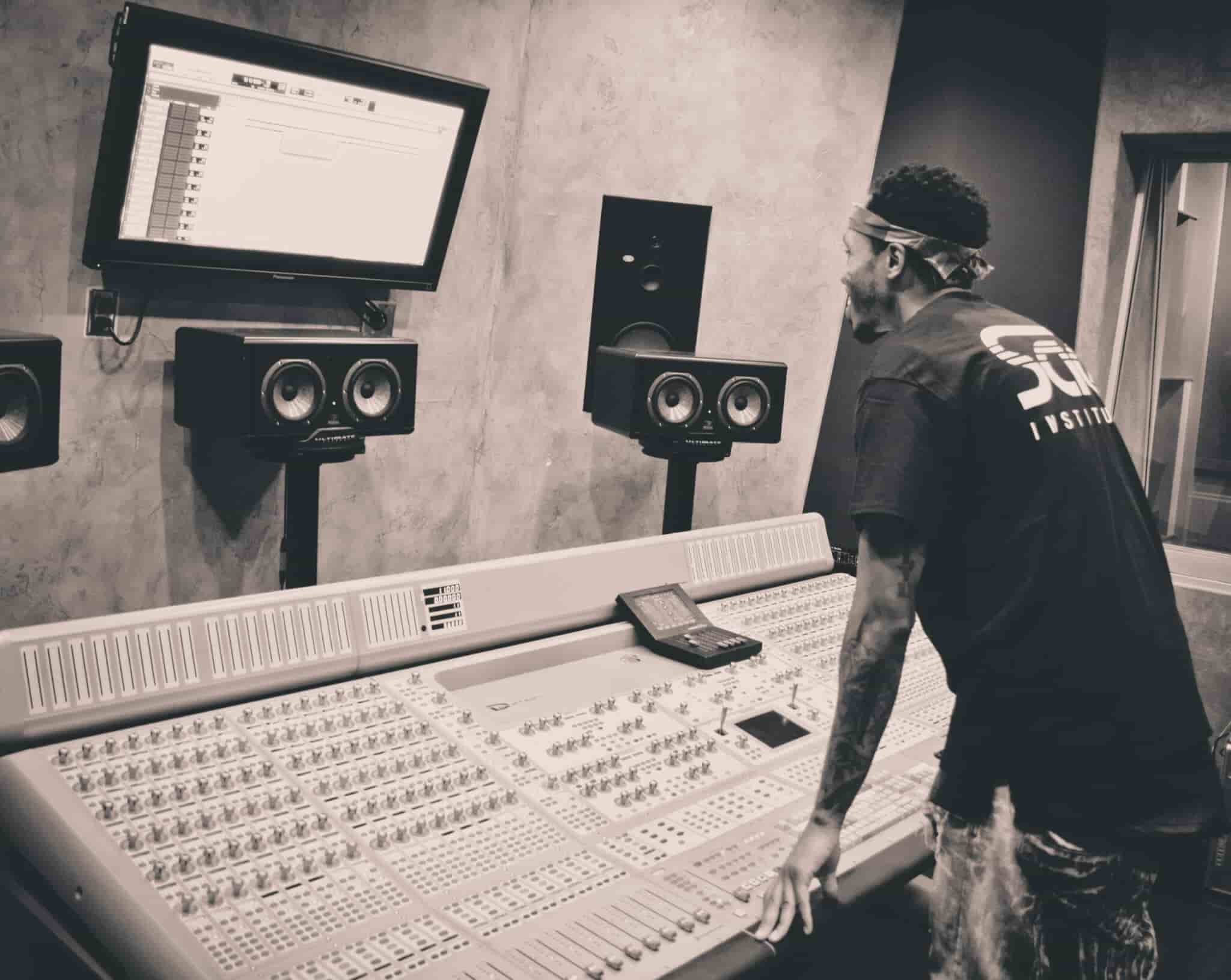
SAE Institute Atlanta offers programs in Audio, Digital Film, and Entertainment Business from our historic, bustling campus in the Cornerstone Building in Downtown Atlanta.
SAE Institute Atlanta offers
Facilities
Take a virtual tour
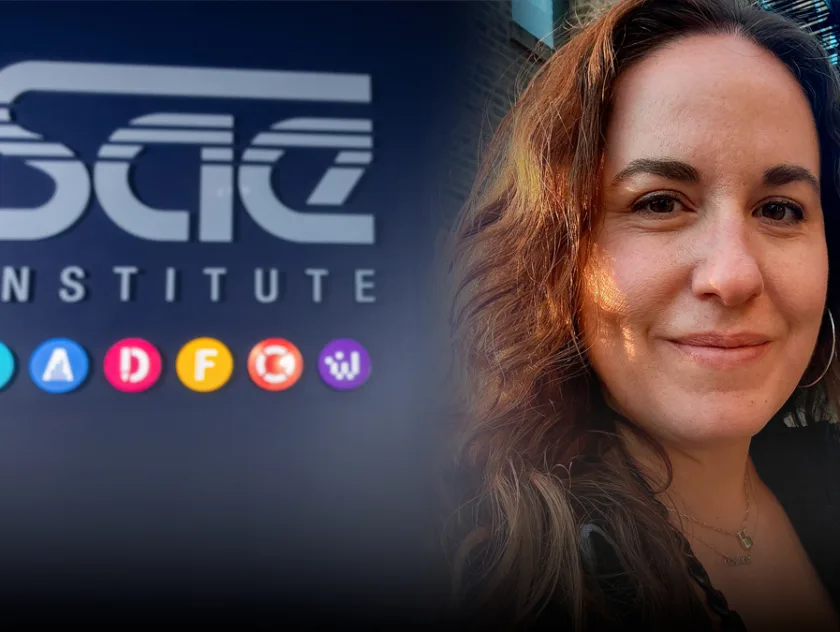
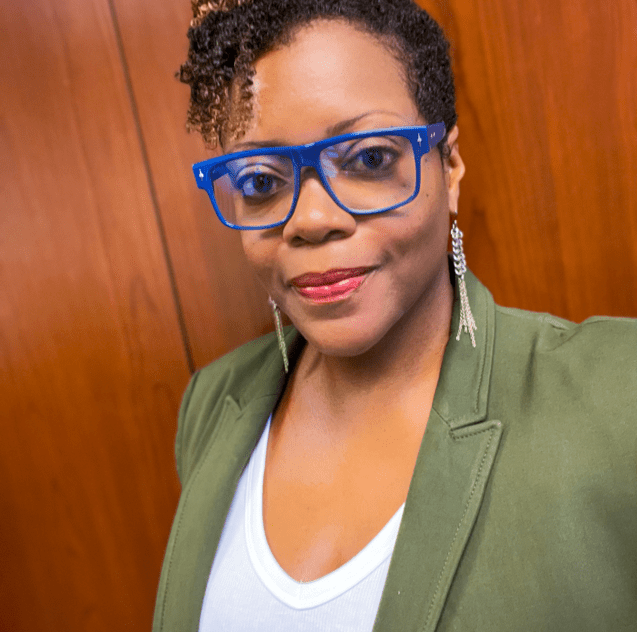
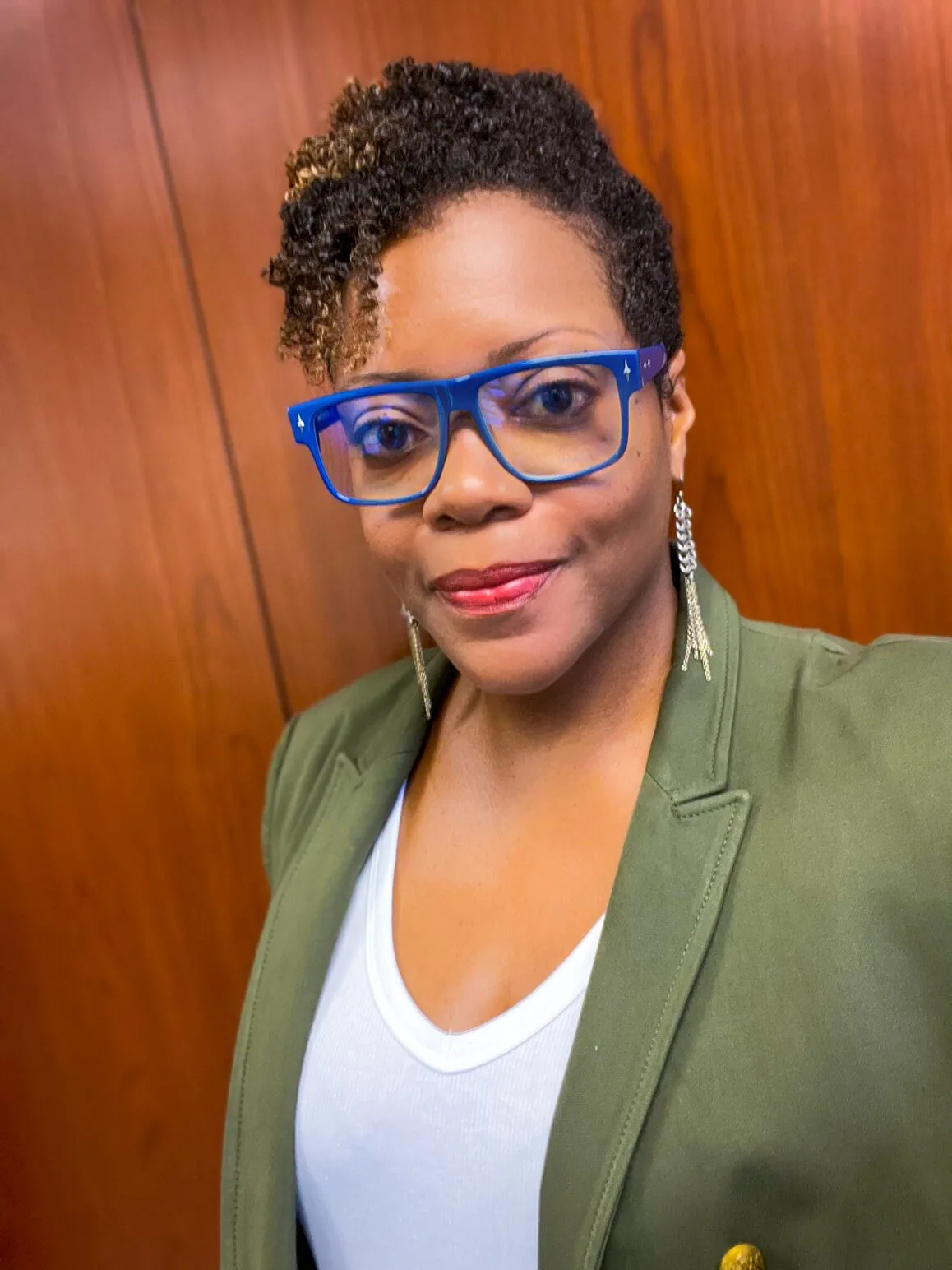
Meet Campus Director Sharon Clay
Sharon Clay is an experienced education leader, multi-level operations executive, and career services professional with expertise in strategic planning, change management,
staff development, and recruitment. She started her career in higher education as a Career Advisor. She held several increasingly challenging leadership roles over the next
20 years, including Director of Career Services, Regional Career Services Specialist, Campus Director, and Group Vice President, overseeing 19 campuses with The Art Institutes.
For the past 10-plus years, Sharon has been in senior leadership roles in career and technical education and is passionate about supporting students and staff to achieve their best. Most recently, Sharon held senior leadership roles with Altierus Career College, Junior Achievement, St. Andrews University, and The Art Institutes, where she worked with both traditional program offerings and blended hybrid models to promote academic and career development.
Sharon holds a Master of Arts Degree in Education with a concentration in Educational Leadership from Argosy University and a Bachelor of Science in Marketing with a
concentration in Management from the University of New Orleans. She is a native of New Orleans, LA, with a passion for food and the creative arts that’s deeply rooted in her NOLA upbringing.
News & Insights from SAE Institute
Read the latest news from SAE Institute and get industry insights tailor-made for you.